
Bianca Reed · 7 October 2026
Exploring Niche Applications of Visibility Enhancement in Independent Digital Projects Beyond Standard SEO Practices
Independent digital projects often rely on targeted visibility techniques that extend past conventional search optimization, and researchers have documented several specialized methods gaining traction in 2025 and into October 2026. Data from project tracking platforms shows that creators in niche fields such as open-source documentation and regional cultural archives have adopted layered metadata strategies combined with platform-specific syndication to reach audiences that standard keyword approaches miss. These methods emphasize contextual alignment with community forums, visual indexing systems, and cross-referenced citation networks rather than broad keyword density adjustments.
Community-Centric Syndication Networks
Observers note that independent developers frequently integrate their content into moderated discussion hubs and collaborative wikis where algorithmic promotion plays a secondary role to direct peer endorsements. Studies from academic institutions in Canada indicate that projects using these networks see sustained referral traffic from embedded links within thematic resource lists, and this pattern holds particularly for projects focused on local heritage preservation or specialized hobbyist tools. One documented case involved a European collective that embedded project updates within multiple language-specific repositories, resulting in measurable increases in direct visits tracked through server logs from October 2025 onward.
Accessibility-Driven Indexing Enhancements
Visibility gains also emerge when projects incorporate structured data for assistive technologies and alternative content formats. Figures from the Australian Digital Inclusion Agency reveal that sites optimized for screen-reader compatibility and transcript availability attract additional crawlers from educational and governmental databases, expanding reach beyond commercial search engines. Independent creators in the Asia-Pacific region have applied these techniques to archival image collections, where alt-text schemas and caption hierarchies improve discoverability within academic search portals and open-data repositories.
Integration with Emerging Visual and Voice Platforms
Projects that prepare assets for visual search engines and voice-activated directories demonstrate another layer of visibility outside traditional text-based ranking. Research published by institutions in the United States shows that image-recognition systems index standalone creative works when descriptive schemas include object relationships and contextual tags, leading to inclusion in curated galleries and educational modules. In October 2026, updates to several open voice directories incorporated new metadata fields for project versioning, allowing independent audio and multimedia archives to appear in spoken queries related to specific technical tutorials or regional language resources.
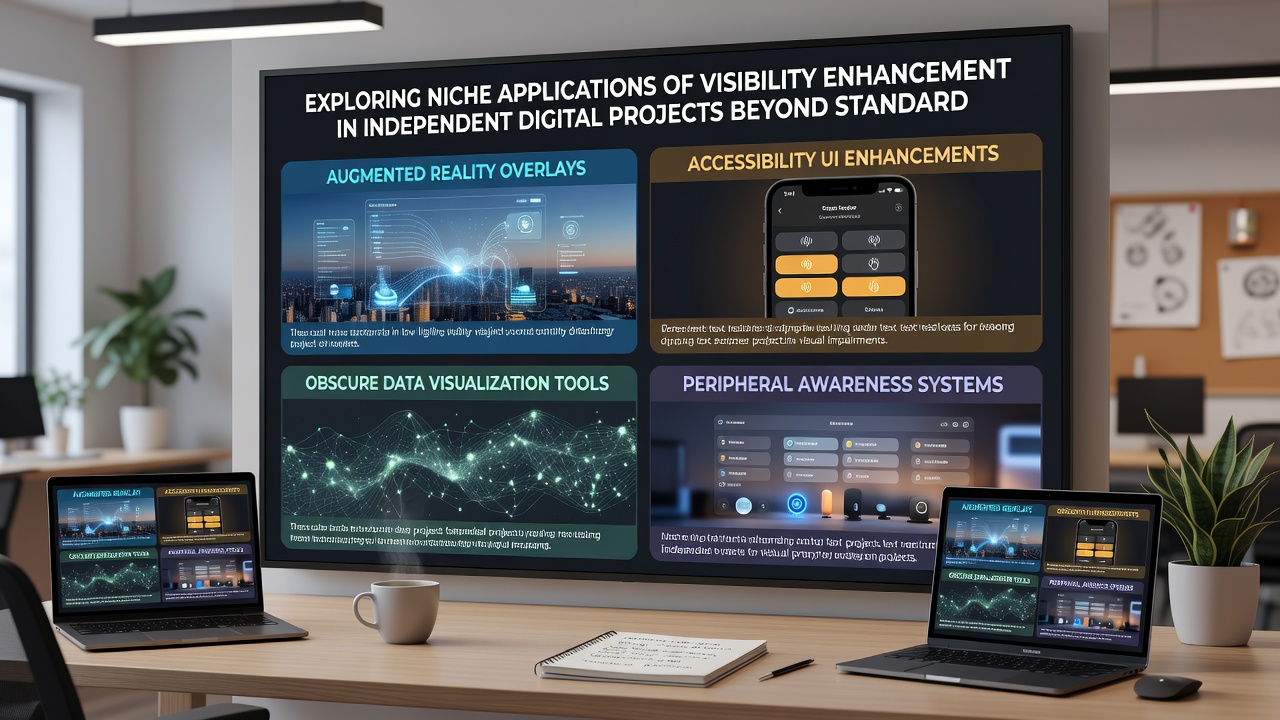
Those who maintain such projects often combine these preparations with selective API connections to regional content aggregators. Data indicates that cross-posting structured excerpts to government-supported cultural portals in the European Union has produced traceable referral patterns from public education portals and library catalogs, distinct from commercial search traffic.
Cross-Referenced Citation and Archive Linkages
Another documented approach involves deliberate placement within open citation graphs and long-term digital preservation systems. Reports from Nordic research consortia highlight how independent documentation projects that register DOIs and participate in persistent identifier services receive ongoing references from scholarly databases and policy papers. This creates a feedback loop where archived versions surface in specialized queries months or years after initial publication, and observers record higher retention rates for projects that maintain consistent versioning records within these systems.
Platform-Specific Metadata Layering
Independent teams have also experimented with embedding project signals into emerging social and collaborative platforms that operate outside mainstream indexing pipelines. Evidence from trade association surveys in South America points to measurable discovery lifts when creators align their work with topic-specific annotation tools used by regional developer communities. These signals include timestamped update logs and contributor attribution schemas that certain aggregator services prioritize when surfacing niche resources to targeted user groups.
Conclusion
Independent digital projects continue to expand their reach through visibility methods that operate alongside yet distinct from standard SEO frameworks. Records compiled through October 2026 illustrate consistent patterns of adoption across accessibility formatting, community syndication, visual and voice platform preparation, and archival linkage practices. These approaches rely on precise alignment with specialized indexing environments and citation networks that serve defined audiences rather than general web traffic.